


Homeowners in MI can choose their own contractor for repairs. Contact us for expert restoration services! Do I Have to Use My Insurance Company's Preferred Contractor?
The real mold timeline after water damage 0–24 hours: moisture spreads Water moves fast. It wicks into drywall, insulation, framing, carpet padding, and subfloors. Even if standing water is removed, moisture remains trapped where you can’t see it. At this stage: Mold spores are already present (they always are) Conditions are being set for growth The clock has started, even if surfaces feel dry 24–48 hours: mold begins forming This is the window most people underestimate. In as little as 24 to 48 hours, mold can begin growing on wet organic materials like drywall paper, wood, and dust trapped inside walls. Cold Michigan air slows surface drying, but it also traps moisture inside building materials. Fans alone rarely stop this. 3–7 days: colonies establish By day three, mold colonies can be established inside wall cavities, behind baseboards, and under flooring. Odors often start here, though visible growth may still be hidden. Once mold reaches this stage, simple drying is no longer enough. Removal and remediation are usually required. 1–2 weeks: visible and spreading This is when homeowners finally see the problem: Dark spots on drywall Musty smells that won’t go away Warping materials and peeling paint By now, mold is rarely isolated. It has spread to multiple areas connected by moisture pathways. Why Michigan basements are especially vulnerable Mold after water damage how long it takes depends on moisture, not just time. Michigan homes deal with several repeat flooding causes that create perfect mold conditions. Poor grading When soil slopes toward the foundation, water collects along basement walls and seeps through cracks and joints. Even small grading issues can keep walls damp for weeks. Foundation cracks Hairline cracks allow groundwater intrusion under pressure. These cracks often leak during spring rains, then dry just enough to hide ongoing moisture inside the wall. Sump pump issues Overwhelmed, undersized, or failed sump pumps allow repeated wetting events. Each flood adds more moisture deeper into materials, compounding mold risk. Snowmelt plus rain Spring brings snowmelt layered with rainfall. Groundwater rises, pressure increases, and water finds the weakest path into basements. Why “drying it out” often isn’t enough Surface drying doesn’t equal dry structure. Moisture remains: Inside wall cavities Under flooring and carpet padding Behind cabinets and baseboards In insulation that can’t air dry Without moisture measurement and controlled drying, mold growth continues even when the basement looks clean. How to prevent mold after a flood (what actually works) Act fast The first 24 hours matter more than anything else. Early water removal and drying dramatically reduce mold risk. Remove what can’t be dried Wet drywall, insulation, and carpet padding often need to be removed. Keeping them “to see if they dry” is one of the biggest mold mistakes homeowners make. Dry hidden spaces Professional drying targets wall cavities, subfloors, and structural materials, not just open air. Fix the water source Preventing mold means stopping repeat moisture: Correct grading issues Seal foundation cracks Upgrade or repair sump systems Extend downspouts away from the foundation Without fixing the cause, mold returns. Warning signs mold may already be growing Musty or earthy odors Allergy symptoms that worsen indoors Warping or soft drywall Discoloration near baseboards Reappearing moisture stains If you notice these after a flood, mold is likely already present. When to call a professional Call for help if: Water sat longer than 24 hours Finished materials were soaked Flooding has happened more than once You smell mustiness but see no visible mold The basement flooded during spring rains At that point, prevention has shifted to remediation. What to do next If you’re worried about mold after water damage, waiting is the riskiest choice.
Learn the top hidden mold signs caused by summer humidity. Discover why mold doesn't always smell and how to protect your home from moisture damage in 2026.
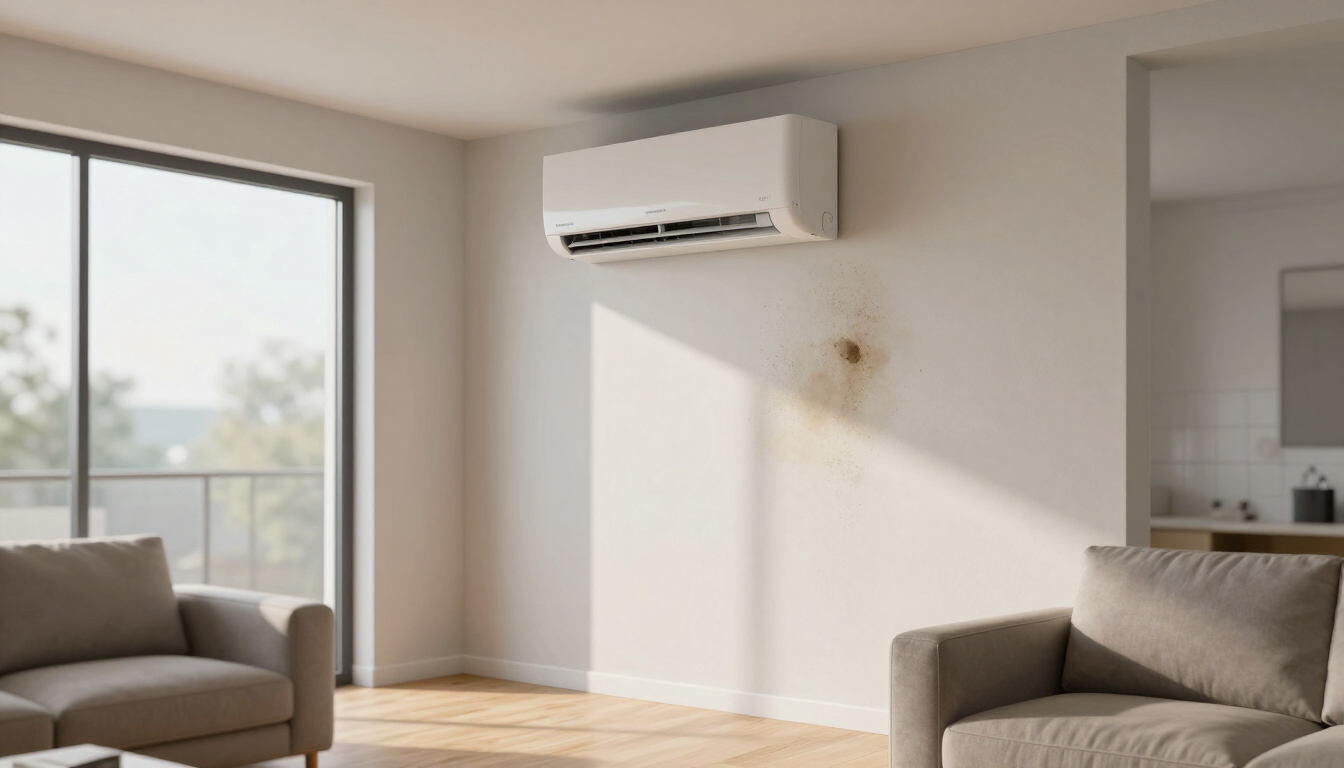
Common hidden mold signs homeowners overlook If you’re searching for hidden mold signs, look beyond smell. Watch for: Persistent allergy symptoms indoors Headaches or sinus irritation at home Warping or bubbling paint Soft drywall near exterior walls Condensation that keeps returning Mustiness that comes and goes, not constant These are moisture clues, not cosmetic issues. The most common hidden mold locations in summer HVAC systems Air conditioners pull moisture from the air. When systems are oversized, poorly maintained, or improperly drained, condensation builds up. Hidden mold often forms: Inside ductwork On coils or drain pans Around supply vents In insulation near returns This mold gets distributed every time the system runs. Crawlspaces Crawlspaces are prime summer mold zones. Warm, humid air enters and cools against shaded ground and framing. Without proper vapor barriers or ventilation control, moisture lingers. Signs include: Damp soil or insulation Wood that looks darker or fuzzy Odors strongest near floor vents or lower levels Many homeowners never go down there, so growth continues unchecked. Behind cabinets and vanities Cabinets installed against exterior walls trap air. Any small plumbing leak or condensation issue creates a sealed environment where moisture can’t escape. Mold here often goes unnoticed until: Cabinets warp Caulking darkens Odors appear when doors are opened By then, the wall behind is usually affected. Condensation points most people miss Some surfaces naturally collect moisture in summer. Common condensation points include: Cold water pipes Toilet tanks Basement walls Window frames Uninsulated ducts If condensation forms daily, mold can grow even without a leak. Why there’s often no mold smell Odor develops when mold growth becomes extensive or airflow spreads spores. In hidden spaces, mold stays isolated. No airflow means: No strong smell No visible growth No obvious warning This is why relying on odor alone is unreliable. Why DIY humidity control often falls short Portable dehumidifiers help the air you can feel, not the spaces you can’t see. They don’t: Dry wall cavities Reach crawlspaces effectively Address HVAC condensation Fix airflow or insulation issues Humidity control without moisture source correction only slows the problem. When to take summer moisture seriously Call for a professional evaluation if: Humidity stays high despite AC use Condensation returns daily You’ve had past water damage Allergies worsen indoors Mustiness appears without a source Hidden mold grows on patterns, not accidents. What actually prevents hidden mold Effective prevention focuses on: Controlling humidity at the source Improving airflow in dead zones Insulating condensation-prone surfaces Addressing HVAC drainage and balance Drying hidden spaces properly Surface solutions don’t reach structural moisture. What to do next If you suspect hidden mold or unexplained moisture this summer, ignoring it won’t make it go away. Apex Restoration evaluates hidden moisture and mold risk before visible damage appears. We identify problem areas, correct conditions, and help prevent long-term issues. Schedule a professional moisture assessment Mold doesn’t always smell. In summer, it usually hides first.
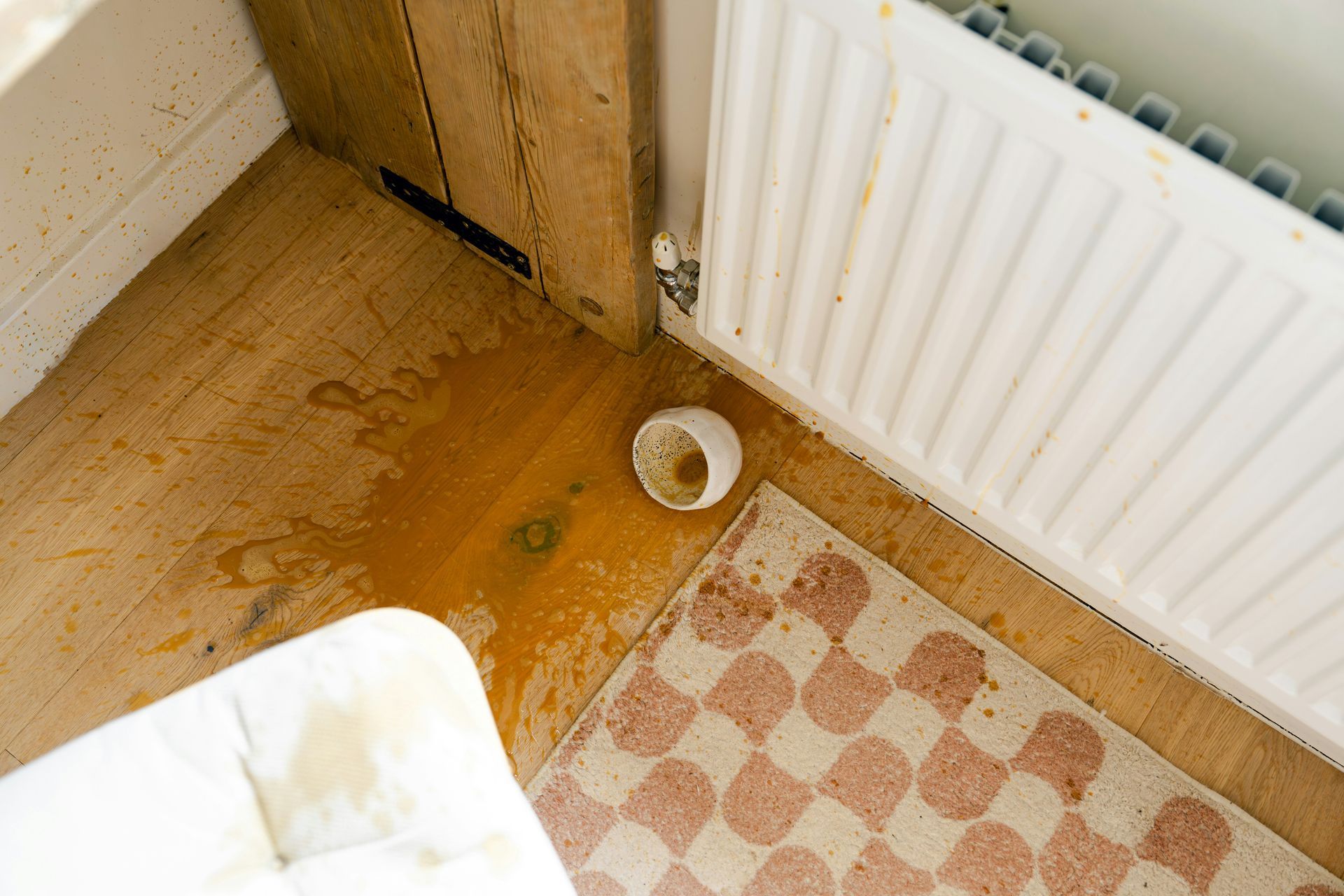
When sewage comes up through a floor drain, toilet, or shower, it’s not just a mess. It’s a biohazard. The smell alone tells you something is wrong, but what you can’t see is what makes this situation urgent. If you’re searching for sewage cleanup near me, here’s the straight truth: Category 3 water is dangerous, spreads fast, and should never be handled without professional containment and disposal.

Recovering from a loss? Learn how a white box buildout restores small commercial spaces to tenant-ready shells with a professional commercial buildout contractor.

Master commercial water damage restoration with our 24-hour property manager playbook. Learn about containment, after-hours access, and tenant communication to minimize downtime.

Learn essential steps for storm water damage repair, including creating a damage map for insurance adjusters and fast-drying techniques to save your home.

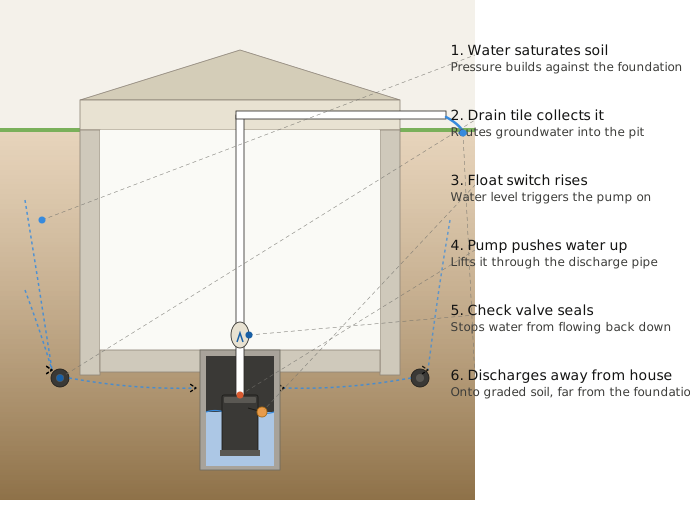
Every spring, basements flood across Mid-Michigan, often in homes that stayed dry all winter. Snow melts, rain moves in, and suddenly water shows up along basement walls or across the floor. It feels sudden, but it’s rarely random. If you live in or around Grand Blanc or elsewhere in Genesee County, spring flooding follows a familiar pattern. Understanding why it happens is the first step to stopping it.
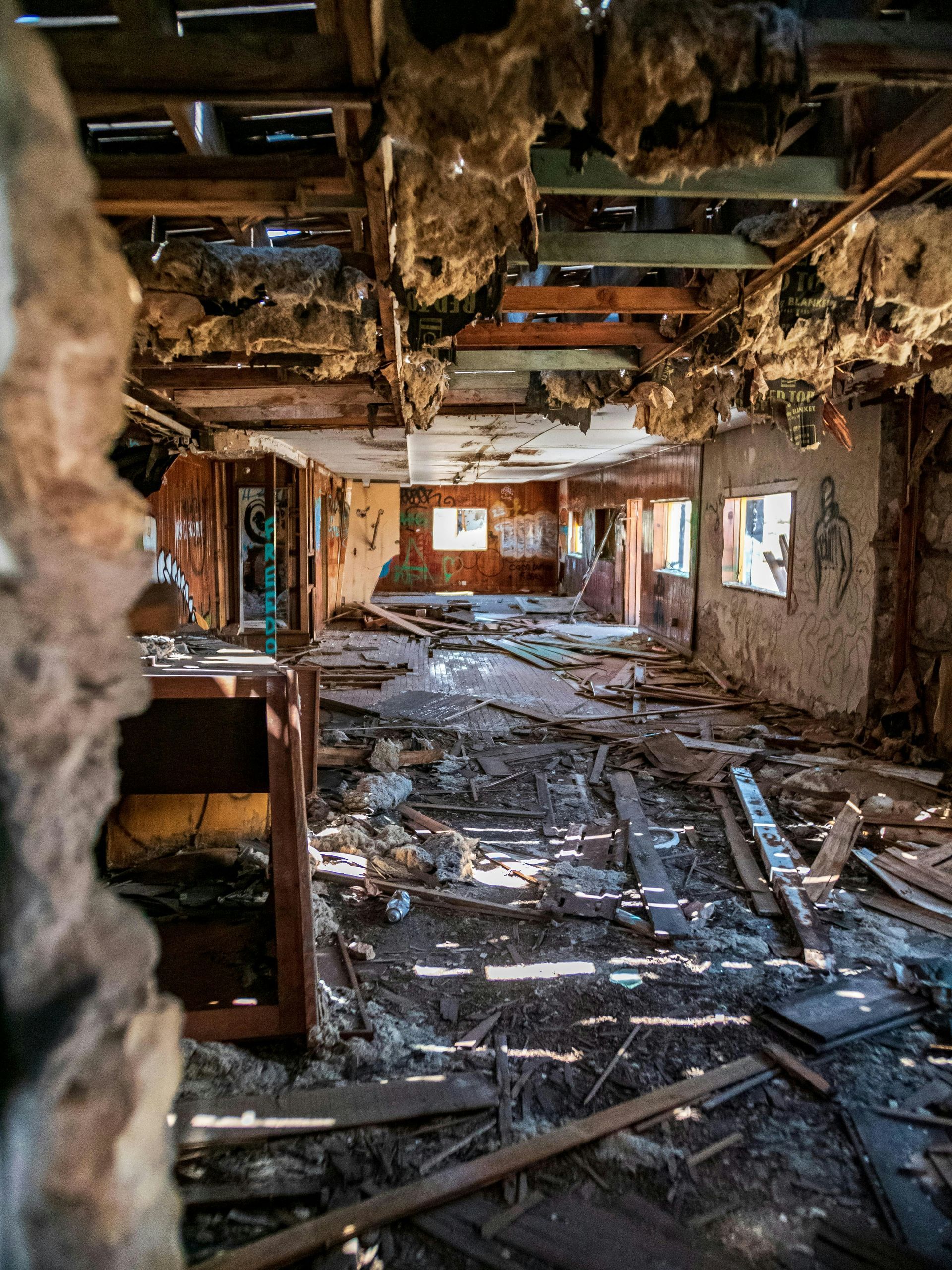
At first, it smells faint. A little smoky when the heat kicks on. Then weeks pass, windows have been open, candles burned, sprays emptied, and the smell is still there. Sometimes it’s worse. If you’re dealing with lingering smoke odor after a fire, cooking incident, or furnace issue, this is the hard truth: most DIY smoke odor removal methods don’t fail because you used the wrong product. They fail because they’re fighting the wrong problem. Below is a clear explanation of why smoke smells linger, why sprays and gadgets don’t solve it, and what actually works when the odor won’t leave.